
There is a specific kind of magic that happens when you drop the needle on an old Ernest Tubb and Western Swing record. It’s not just the music; it’s the immediate sense of being in a roadside honky-tonk, the air thick with spirit of Texas. For years, that sound has been more then just an influence, its been a roadmap.
Playing with the Nostalgia Cowboys: Honouring Ernest Tubb and Western Swing in a modern Context.
Bringing the spirit of Ernest Tubb and Western Swing into a modern, cinematic 1970s production has become my main creative mission.
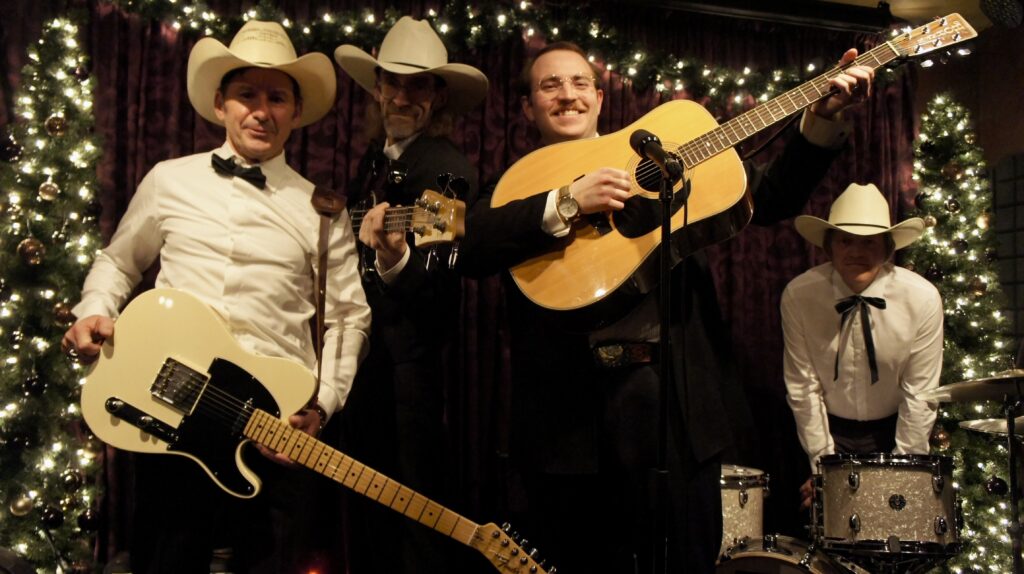
My passion for this era of music truly solidified during my time playing with the Nostalgia Cowboys back in Alberta. There is something about the wide open prairies that mirrors the soul of Western Swing. In that band, we didn’t just play the notes; we tried to capture that rolling, rhythmic “sock rhythm” that makes Western Swing so infectious.
The Texas Troubadours weren’t just a backing band; they were a masterclass in precision and swing. From the walking bas lines to the bright, biting staccato of the electric guitar, they provided the perfect floor for Ernest to walk on.
THE UNMISTAKABLE TUBB SOUND
What makes Ernest Tubb; the “Texas Troubadour” himself so legendary is his defiance of “perfection.” He had a unique, conversational voice that felt honest. He wasn’t trying to out-sing the opera stars; he was telling you a story over beer.
- The Voice: It’s deep, dry, and full of character. It’s proof that in country music, sincerity beats technical range every single time.
- The Instrumentation: The way his arrangements utilized the electric lead guitar to mimic his vocal melodies created a “twin” sound that became a staple of the genre.
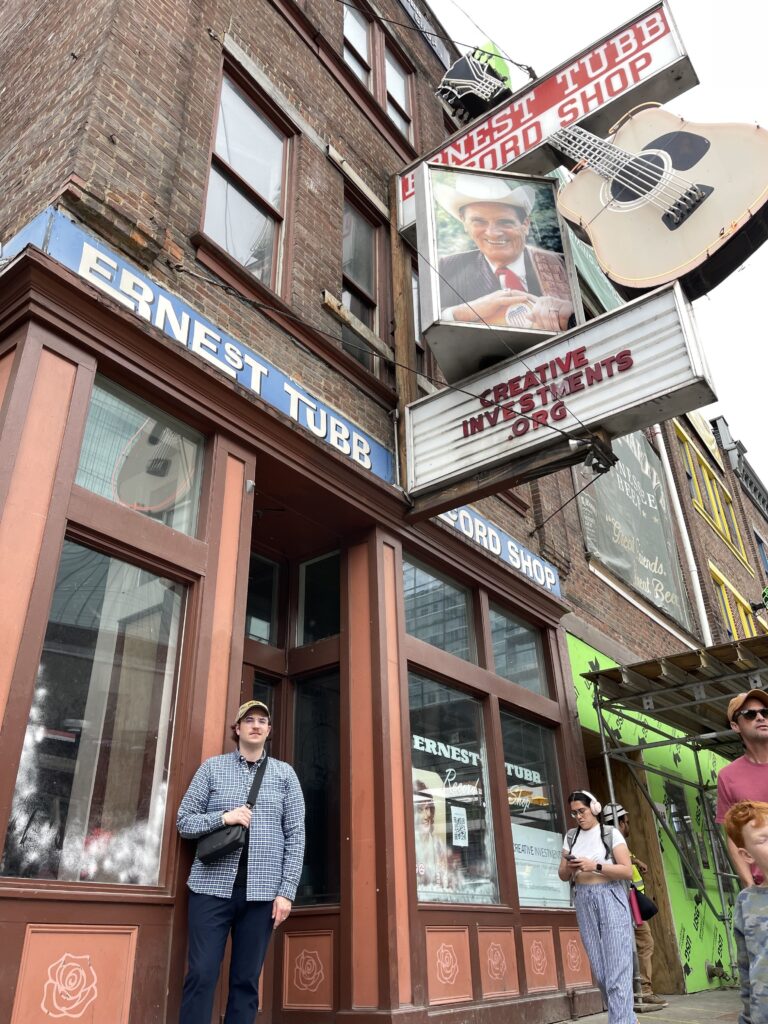
Ernest Tubb and Western Swing: Bringing the ’40s into the ’70s.
While my current work leans into the lush, cinematic production of the 1970s country style, the ghost of Ernest Tubb is always in the room. I find myself implementing his vocal delivery, that steady, bartione “singing talking’ style and layering it over the grander arrangements of the ’70s.
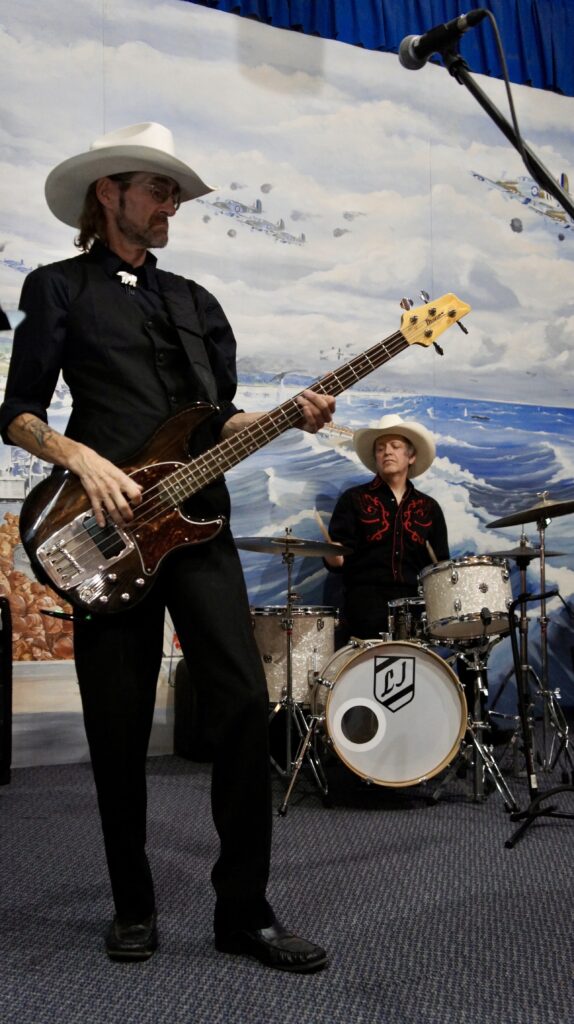
Its about taking that raw, honky-tonk honesty and wrapping it in the warm analog saturation sweeping strings of a later era. By blending the swing of the Troubadours with “Countrypolitan” depth of the mid 70s, I’m aiming for a sound that feels both nostalgic and timeless.
The hats might change and the orchestras might get bigger, but the heart of the song remains exactly where Ernest left it: In the truth.
The Texas Troubadour: A Recommended Listening Guide
This is the cornerstone. When people talk about the “Ernest Tubb sound,” this is usually what they mean. Notice the bright, staccato electric guitar intro that was revolutionary at the time. It’s a perfect example of how a simple, honest vocal can carry a song further than any vocal gymnastics ever could. In my own recordings, I aim for that same level of “front-and-center” sincerity.
By the early 60s, the production was getting smoother, but Ernest’s voice remained as dry and steady as ever. This track is a masterclass in that “singing-talking” delivery. When I’m working on my 1970s-style arrangements, I often look back at this track to see how he maintains his baritone presence without getting lost in the mix.
You can’t discuss Western Swing without mentioning the waltz. This track features that rolling, rhythmic swing that we lived for back in Alberta. The way the steel guitar and the lead guitar dance around each other is something I try to replicate using lush orchestral strings and tremolo guitars. It’s about creating a sense of movement making the listener feel like they’re right there on the dance floor.
Why it Matters Today.
Studying these tracks isn’t just a history lesson; it’s a technical requirement for the kind of “Outlaw” and “Countrypolitan” blend I’m creating. By understanding how the Texas Troubadours managed their frequency space and rhythmic pockets, I can better apply those same principles to a modern, 1974-style analog recording.
The gear changes, the fidelity improves, but that Ernest Tubb spirit is the foundation of everything I do.