
They say music is a universal language, but for me, my self-taught musical journey started as a private one. Looking back at where it all began, it wasn’t in a conservatory or a high-end studio it was in the back of a classroom with a notebook full of “broken lyrics” and a blue nylon-string guitar that just didn’t sound quite right.
The Blue Guitar: Starting My Self Taught Musical Journey
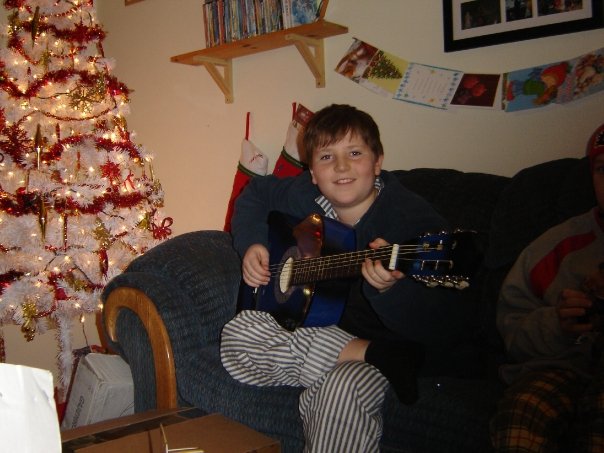
I remember it clearly: the age of 10. My mama bought me my first official guitar. It was a blue nylon-string model, meant to be easy on a kid’s fingers. But even then, I knew the sound I was looking for wasn’t soft or polite. That nylon sound bothered me; it didn’t have the bite or the resonance I felt inside.
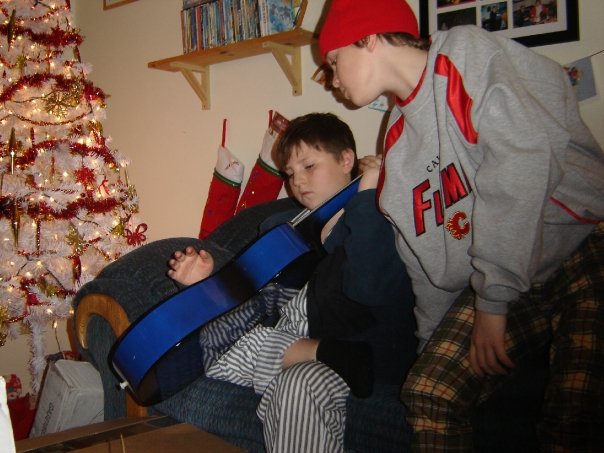
So, I did what any determined ten-year-old would do I stripped those nylon strings off and cranked on a set of proper steel strings. It probably wasn’t great for the neck of that little guitar, but it was exactly what my ears needed to hear. That was the first lesson in my musical education: if the tools don’t fit the vision, change the tools.
The Classroom vs. The Song
School was always a bit of a secondary thought. While the teachers were talking about math or history, I was busy filling the margins of my notebooks with thoughts that were slowly morphing into songs. I spent more time slacking off to write down lyrics than I did on my homework.
There were plenty of times I’d find a way to sneak out of class, finding a quiet corner or a stairwell just to get a quick singing session in. Those “broken lyrics” from my childhood were the blueprints for everything I create today. I wasn’t just avoiding work; I was clocking into the job I actually wanted.
Lights, Camera, Action: The JVC Days
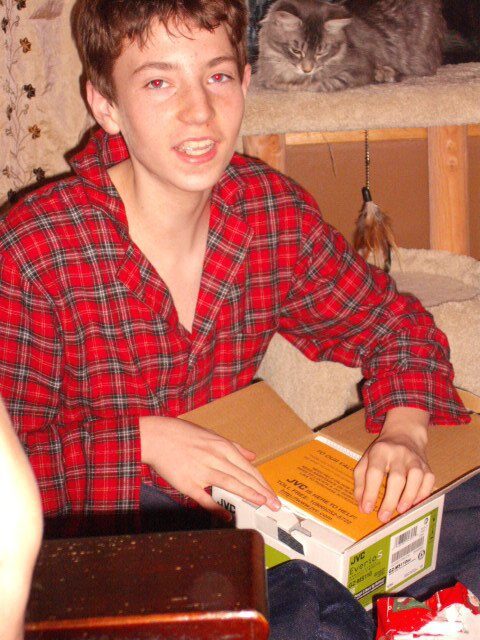
Once I had the songs and the steel strings, I needed a way to capture it all. That’s where my first JVC camcorder came in. That camera became my first “director’s chair.” I’d set it up in my room, hit record, and try to capture the feeling of the music I was writing.
If you dig deep enough into the dusty corners of the internet today buried under old accounts like Austin Terpstra you might still find some of that early content. It’s raw, grainy, and a little nostalgic, but it was the start of me learning how to present my music to the world.
Finding the Full Sound: From Bass to Fiddle
Learning by ear means you never really stop exploring. My journey didn’t stay on six strings for long:
- The Bass: This is where I learned the heartbeat of a song the steady pulse that holds everything together.
- Electric & Acoustic: Moving between the raw energy of an electric and the honest, wooden soul of an acoustic allowed me to find my voice as a storyteller.
- The Piano: This opened up a whole new world of melody and arrangement, helping me see the “big picture” of a composition.
• The Fiddle: I’ve even picked up a little fiddle lately. It’s a challenge, but it adds that mournful, cinematic touch that truly completes a track.
The Weight of the Music
Being self-taught isn’t just about learning where to put your fingers; it’s about learning how to listen. From those early days of choosing steel over nylon to the analog-inspired sessions I run today, the goal has stayed the same: capturing a feeling that is bittersweet, grand, and honest.
To anyone out there sitting in a classroom today with a notebook full of lyrics and a dream that feels too big for the room: keep writing. Those broken lyrics are just the beginning of your story.
To hear how my sound has evolved from these early tapes, check out my latest music on my Music Page.